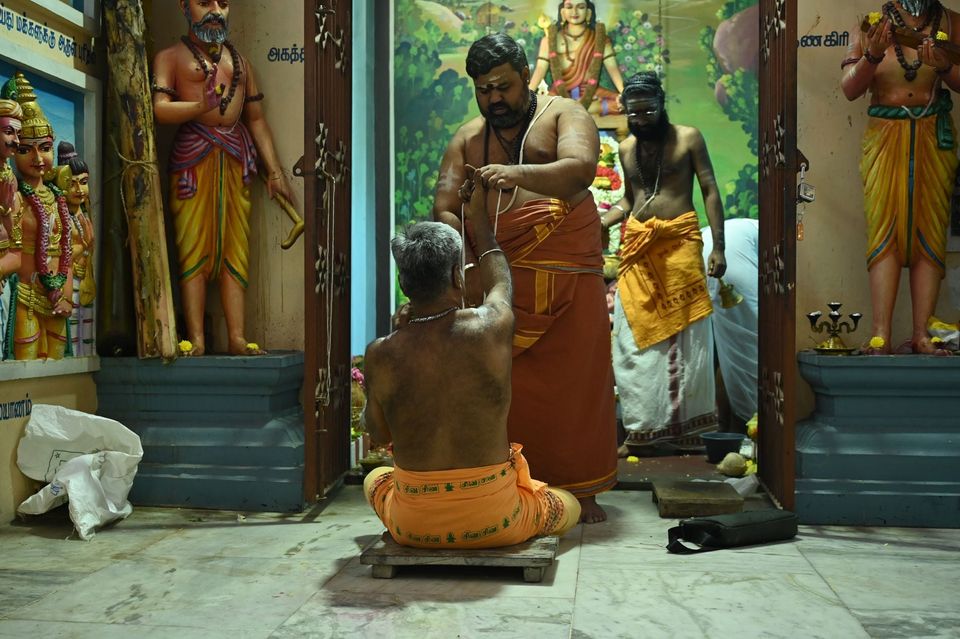
Kanda Sashti (the Tamil colloquialisation of Skanda Sashti) is calculated according to the lunar tithi, specifically Shukla Sashti — the sixth tithi of the waxing fortnight (bright half) of the lunar month of Aippasi. The six-day observance begins with Shukla Pratipada directly following Deepavali Amavasya.
For us, it’s a breathless continuation of a series of rituals that began with Navaratri–before which, mercifully, there had been something of a break. It’s not for no reason that the period starting with Aadi is described as the Indian “festival season.” It’s less common to call it the season of samharams–but in essence, it really is that. Darkness descends, lengthily and brooding, fire light is the only thing that can shine through and must be made to do so, and after prolonged and intense battles–it does. Nearly every festival that happens in this season reiterates this essential idea.
Kanda Sashti or Sashti for short is the major festival of the Murugan temples we are following, though everyone with a Murugan presence in the temple will of course mark and honour it. The parayanam groups at Vedapuriswara for example, don’t switch their chanting to some other temple; they continue at Vedapuriswara but focus on Balamurugan specifically. We have decided, however, to manage the intensity of this period by focusing mostly on the two Murugan temples in our set of 15: the incredibly popular Ghousiga Balasubramania Swami temple, and the Siva Subramania Swami temple at Lawspet. There are other Murugan temples around: Saaram Murugan has a popular reputation, too, Muthialpet Murugan isn’t far behind. Of course, there is Mailam whose aadheenam has no small influence on local shrines. “Tell a story about just how many Murugan temples are in Pondicherry,” one Mudaliar man from the Lawspet temple, the ubhayakara for the Vaikasi Vishakam Satru Samhara Trishita Homam, once urged me. “There are no less than 12 here.” I’m not sure we’ll get to that, but his emphasis wasn’t lost on me.
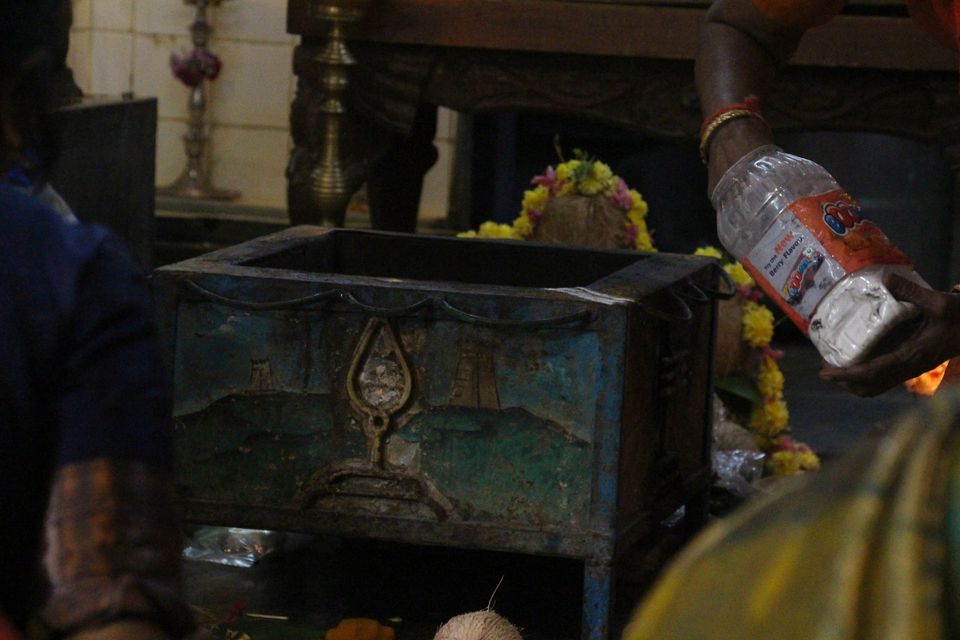
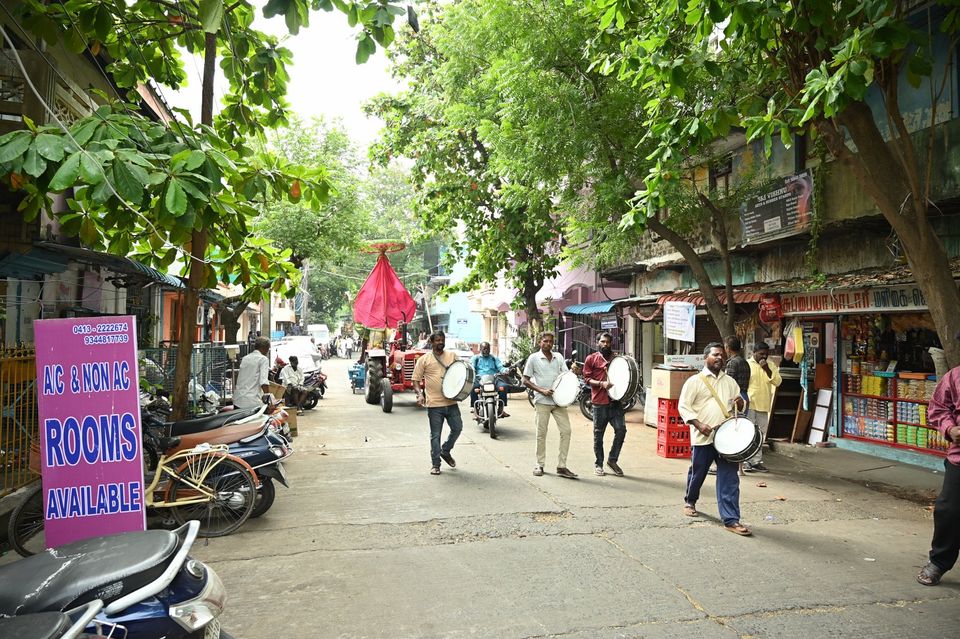
Both Lawspet and Ghousiga started with Vigneswara pujas, which entail abhishekam for Vinayaka and the reigning deity, followed by a ganapati homam. There is also a vastu shanti (with its iconic setting alight and pulling of a straw vastu purusha figure around the temple and then out of it, to the ominous, repeated 3 measured beats of the tavil), and a mrtsangrahanam + ankurarpanam, or the collection of sacred mud and the sowing of sprouts as a symbol of growth and well-being.
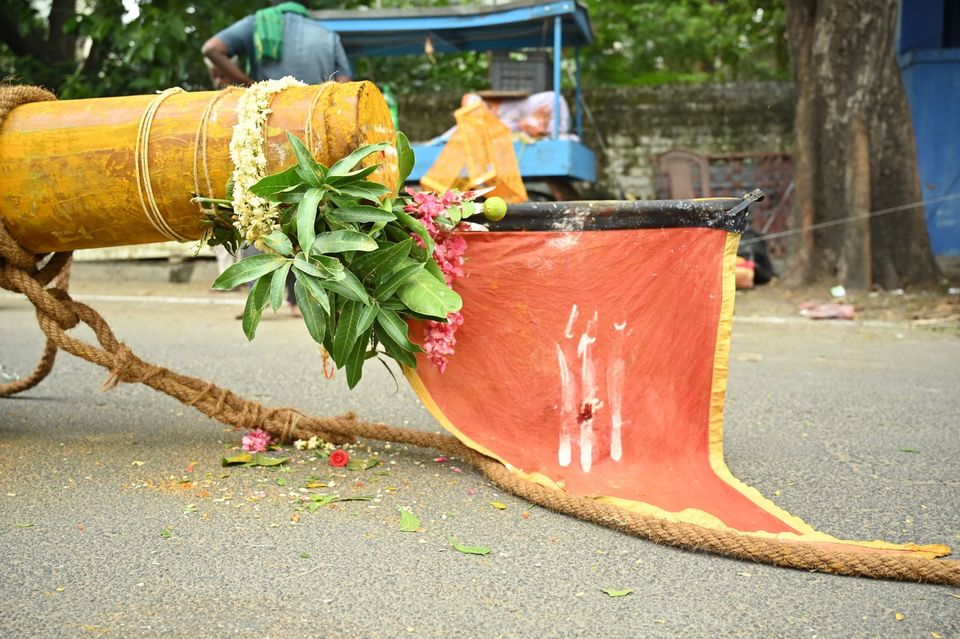
Thanks to all sorts of practical considerations, not the least of which was learning to manage the physical distance between Ghousiga and Lawspet as we learned the Sashti ropes, so to speak, we couldn’t stay for the whole session of invocatory pujas at Lawspet. But it was clear that they were following every step with care, with no less than 5 priests around, including non-regulars called in to help. Ghousiga had no additional priests. Vinayaka (the main statue at the back left) got a quick abhishekam, while the utsava murti was already ready to go–a fact which seemed odd, given that the utsavars are usually readied at the same time as the main deities for the pujas ahead. So then there was a deeparadhanai, and He was moved to the position of officiating deity at the homam space, set up to the right of the main deity, with a makeshift yagasala prepared in the niche that doubles as a palliyarai, facing west. So the 9 Kalasas there faced west, Utsavar Ganesha too faced them and the East. There was no elaborate agni kundam, but an almost tiny clay pot used in lieu. The three priests we see there all the time (the older Gurukkal, his son, and another we learned is a relative) performed all the pujas. Since there is no stala vriska here or source of mud in this granite-floored temple, the purappadu had to begin–Vinayaka was taken clockwise around the block to the small turmeric-smeared stone near the bank that is now there–and the sacred earth collection happened there. It, too, was symbolic: the pavement is also granite-covered.
A lady who had seen me with my phone and camera struck up a conversation; this evening is her mother’s ubhayam. Dhanalakshmi-ammal, if I may call her that, had apparently started supporting the elder Ghouse with Rs 60 in the early days, for Murugan abhishekams and now sponsors 3 temple events on her own, managing to get the funds needed somehow (her daughter said): Varsha Pirappu (15 litre abhishekam for Murugan), 1st Saturday of Purattasi abhishekam for Perumal (who sits in the koshta right behind Murugan in the prakaram), and then these preparatory pujas at the start of Sashti (for Rs 40,000). “There used to be a tree here,” she told me of the place where the Mrtsangrahanam happened. But now it is all completely paved and the only sign of a former life is in the stone that remains to mark the puja spot.
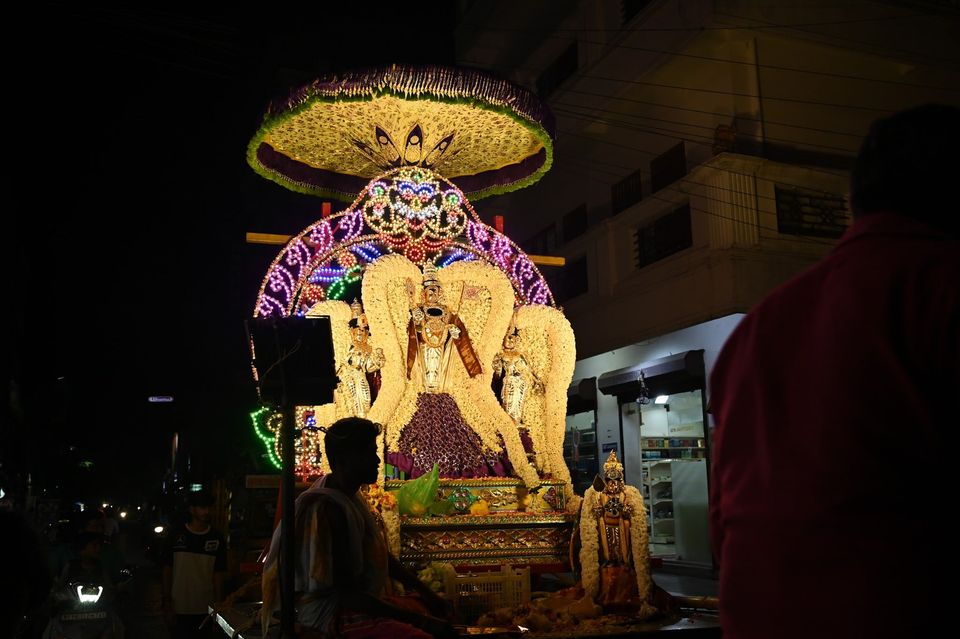
So Vinayaka’s purappadu on mooshika vahana happens, and only then the invocatory pujas are completed, before He continues on his way.