Nandhikeswara Koyil
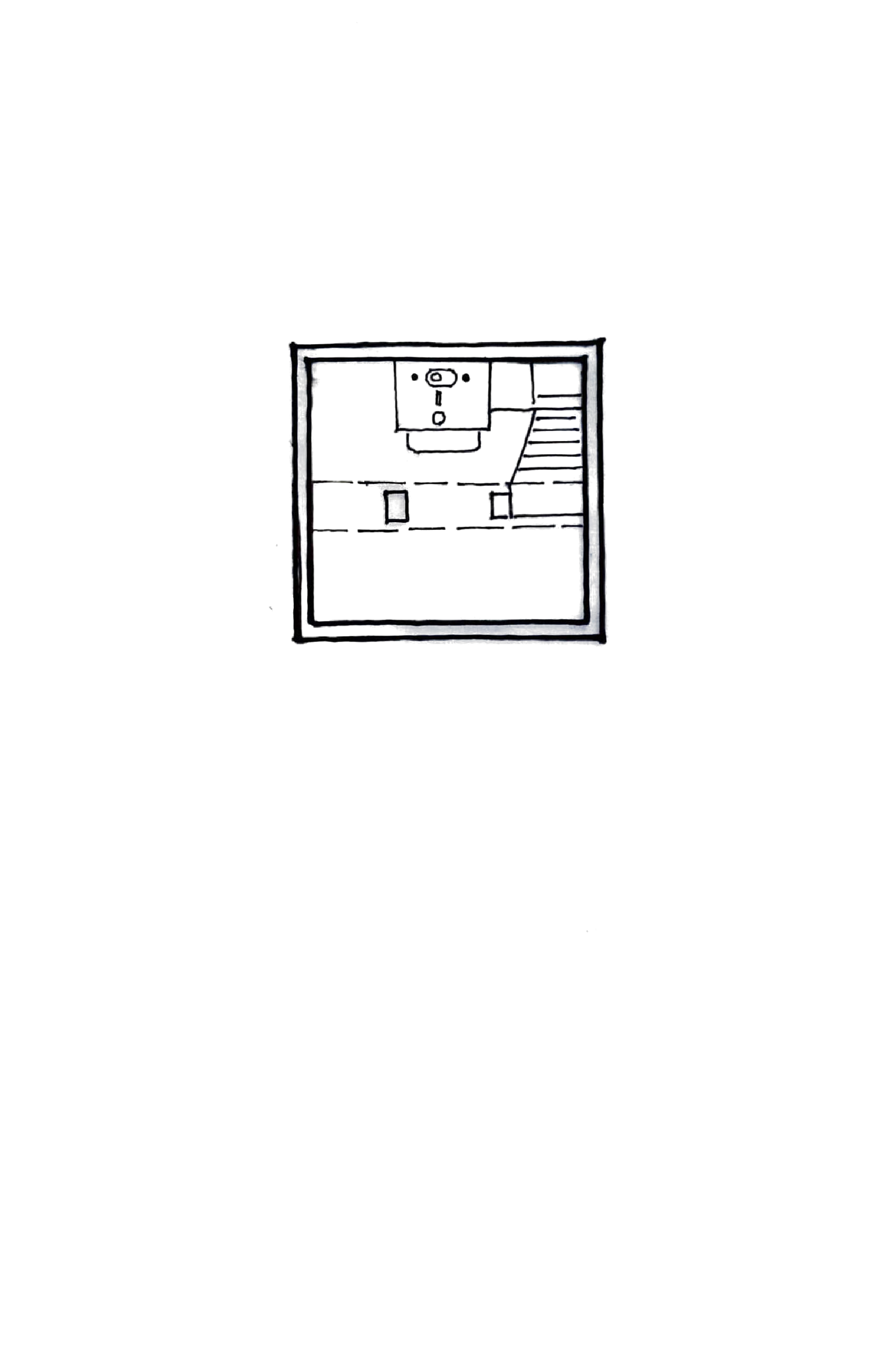
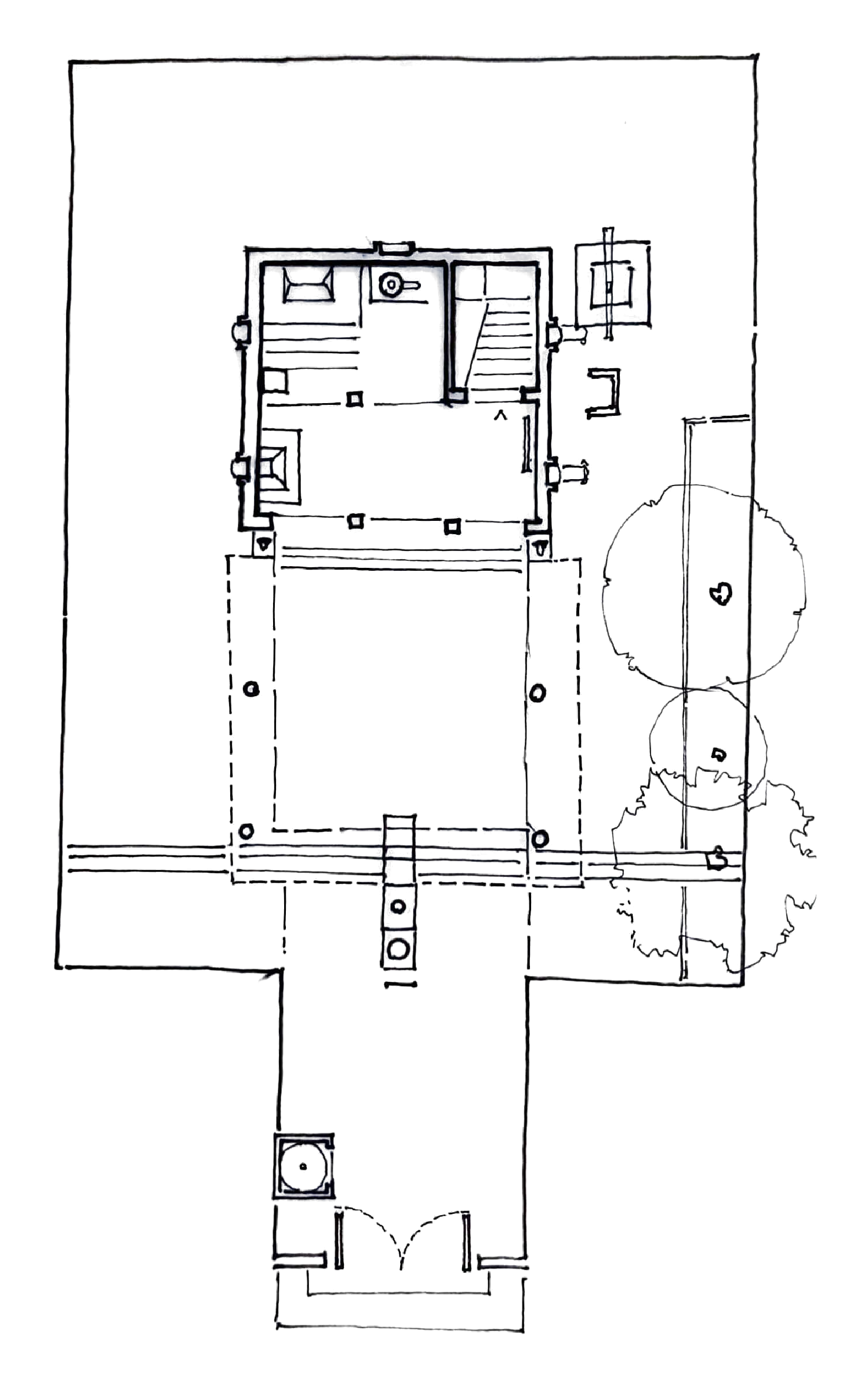
The Sri Nandhikeswarar Thirukoyil is located on Vellalar Street near the MG Road area in Pondicherry. This is a 19th-century shrine notable for housing the underground samadhi of its builder and founder, Sri Nadu Shanmuga Velayudha Swamigal, son of the caste chief, agriculturist and interpreter Nadou Sidambara Mudaliar, belonging to the Tondaimandala Vellala community. Nadou Shanmuga Velayudha Mudaliar was an elected member of the Colonial Council created in the interests of allowing more Indians representation in French colonial governance (1872). This staunchly Hindu ancestral lineage has shaped Pondicherry in more ways than one, for example by marshalling resources and donating land on which the Varadaraja Perumal Koyil now stands, and to which the destroyed Vedapuriswara Koyil could then be rebuilt. A gold-plated chariot that had long been in a shed across from the temple was donated by the present Dewan to the Manakkula Vinayaka Koyil, a gesture still acknowledged by the annual visit of Manakkula Vinayaka to Nandhikeswara on Masi Thiruvathirai (Ardra) in that very golden chariot.
The temple has three parts: the Gangai Vinayaka temple, which is the older shrine always open for worship; the samadhi koyil itself, which was established on the Swamigal’s passing; and the Nandhikeswara temple, which became central thanks to his devotions. The temple remained a private shrine, shuttered off by most accounts, and attended to only by the present Dewan’s older brother. But here the Swamigal had wanted to remain always under the feet of the reigning deity; thus was his samadhi placed in the temple basement.
The temple initially had a Nataraja-figured Nandi as its main deity, but was advised by members of the Dharmapuram Adheenam that a temple cannot have a pashu (animal) without a pati (lord)–or a Nandi without a Siva–and so the Siddheswara lingam was there consecrated. Nandhikeswara figures in dancing and standing forms remain by his side. A panchaloham Siddheswari followed soon after, and She remains beside Siddheswara only in her utsava form. A Murugan-Valli-Devasena utsava murti is also worshipped here. Since this is a samadhi koyil, Amavasya observances are more important than Pournami celebrations.
The temple is unique in other ways as well: on the dhvajastambha or kodimaram is copper cladding with Tamil beeja mantras on each face; a stone beeja mantra murti sits in between the pole and the Vrushabha. All pujas here are conducted in Tamil; the two young priests, both brothers only here for two years, have had all their training with a Tamil professor at SRM University in Chennai. But their methods of performing both daily and special pujas are exceptionally beautiful. They also have introduced novel alankara methods, evident during major festivals like Navaratri and Kanda Sashti.